What Is Medellín Known For? (Beyond the Headlines)
Every city in Latin America claims to be special. Medellín has a specific answer. Spend a week here and you will notice it is not one thing that sets it apart, it is a combination of climate, culture, infrastructure, and creative energy that genuinely does not exist anywhere else on the continent.
This is not a listicle of museums and lookout points. It is an honest attempt to answer the question a skeptical traveler should ask: what can I actually experience in Medellín that I genuinely cannot get elsewhere?
The Medellín City of Eternal Spring
Medellín sits at 1,500 meters above sea level, close enough to the equator that the sun rises around 6am and sets around 6pm every single day of the year. Average temperature hovers around 22°C (72°F) year-round. No brutal humidity like Cartagena. No altitude adjustment like Bogotá. No rainy season that shuts everything down for weeks at a time.
What this means in practice: you can walk the hills without soaking through your shirt. You can eat outside at 9pm and feel completely comfortable. You can arrive in any month and not feel like you timed it wrong. The nickname "City of Eternal Spring" sounds like a marketing line, but it is accurate in a way that actually shapes how people live here. Locals eat, socialize, and work outdoors because the weather always invites it. That openness is baked into the culture.
The city sits in the Aburrá Valley, surrounded by green mountains on every side. Colombia is the second most biodiverse country on Earth and leads the world in both bird and orchid species. Antioquia (the state where Medellín sits) holds a vivid slice of that natural richness. You will notice flowers everywhere, not just in parks but spilling off balconies and lining side streets. There is a reason the city's biggest annual festival is built entirely around flowers.
Why Visit Medellín: A City That Reinvented Urban Infrastructure
Medellín is the only city in Colombia with a Metro. That alone sets it apart from Bogotá, Cali, Cartagena, and everywhere else in the country. But the more compelling part is what the city built on top of it.
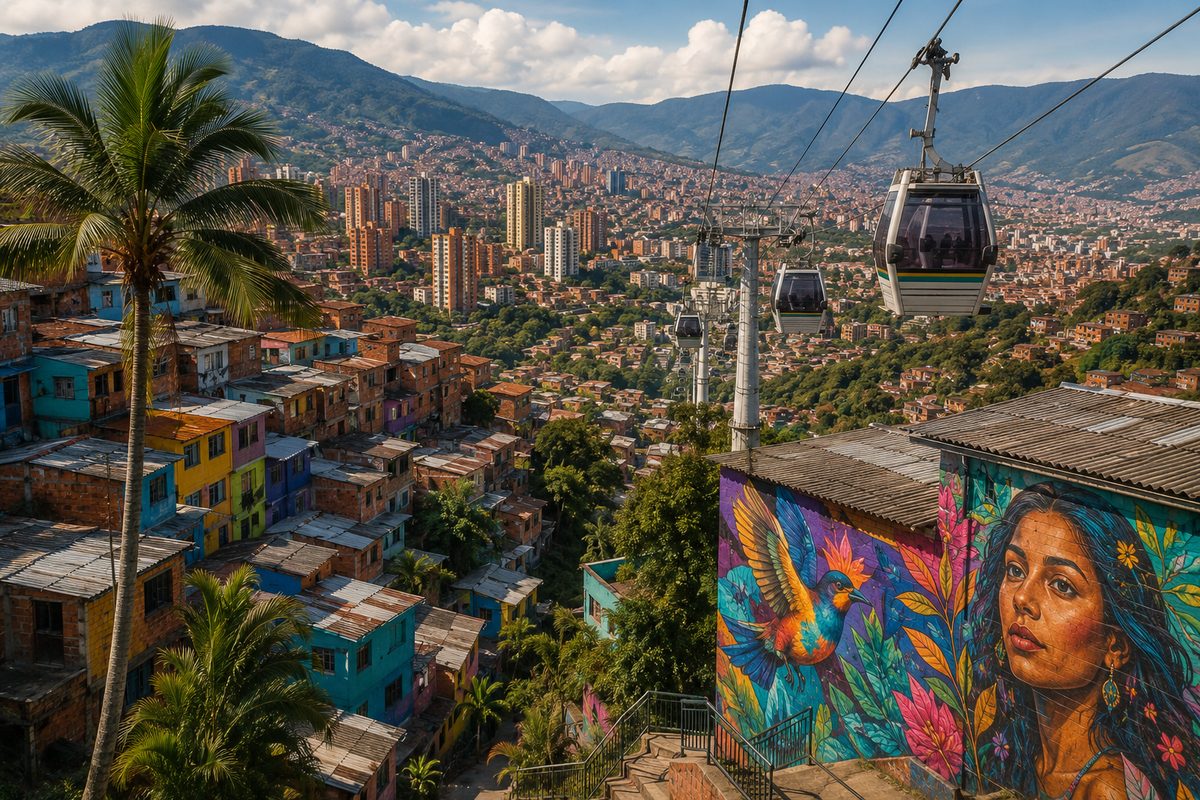
In the late 1990s and 2000s, Medellín pioneered the use of cable cars (Metrocable) as genuine public transit, connecting hillside comunas that had been effectively cut off from the city center. These were not tourist gondolas. They were built to give residents real access to jobs, schools, and hospitals.
In 2013, the Wall Street Journal and the Urban Land Institute named Medellín the world's most innovative city, beating New York and Tel Aviv. The award recognized exactly this: a city that used infrastructure and public investment to transform its most marginalized neighborhoods. Riding the Metrocable Line K, watching the city spread out in every direction below you, is one of the most striking things you can do here, and it costs the price of a Metro fare.
Unique Things to Do in Medellín: The Living Street Art of Comuna 13
No neighborhood anywhere has a transformation story quite like Comuna 13. In the early 2000s it was considered one of the most dangerous urban areas in the world. Today it is an open-air street art gallery served by outdoor public escalators (inaugurated in 2011) that connect steep hillside streets residents once climbed entirely on foot.
The murals here are not decorative. They tell the story of what happened and what the community built afterward. Local artists, many of them raised in the neighborhood, turned the walls into a record of resilience and identity. A guided visit matters because the context changes everything. Without it, you are looking at bright walls. With it, you understand why a particular image of a bird or a woman carrying flowers means something specific to the people who live there.
The neighborhood's transformation is real and ongoing, and the people who live there are its authors, not its backdrop.
Reggaeton, Rumba, and the Sound of Medellín
If you have listened to reggaeton in the last decade, you have already heard something that came from Medellín. J Balvin, Maluma, and Karol G are all paisas, born and raised in this city. The music they make carries something specific about where they grew up: a city that heals through celebration and takes the rumba seriously.
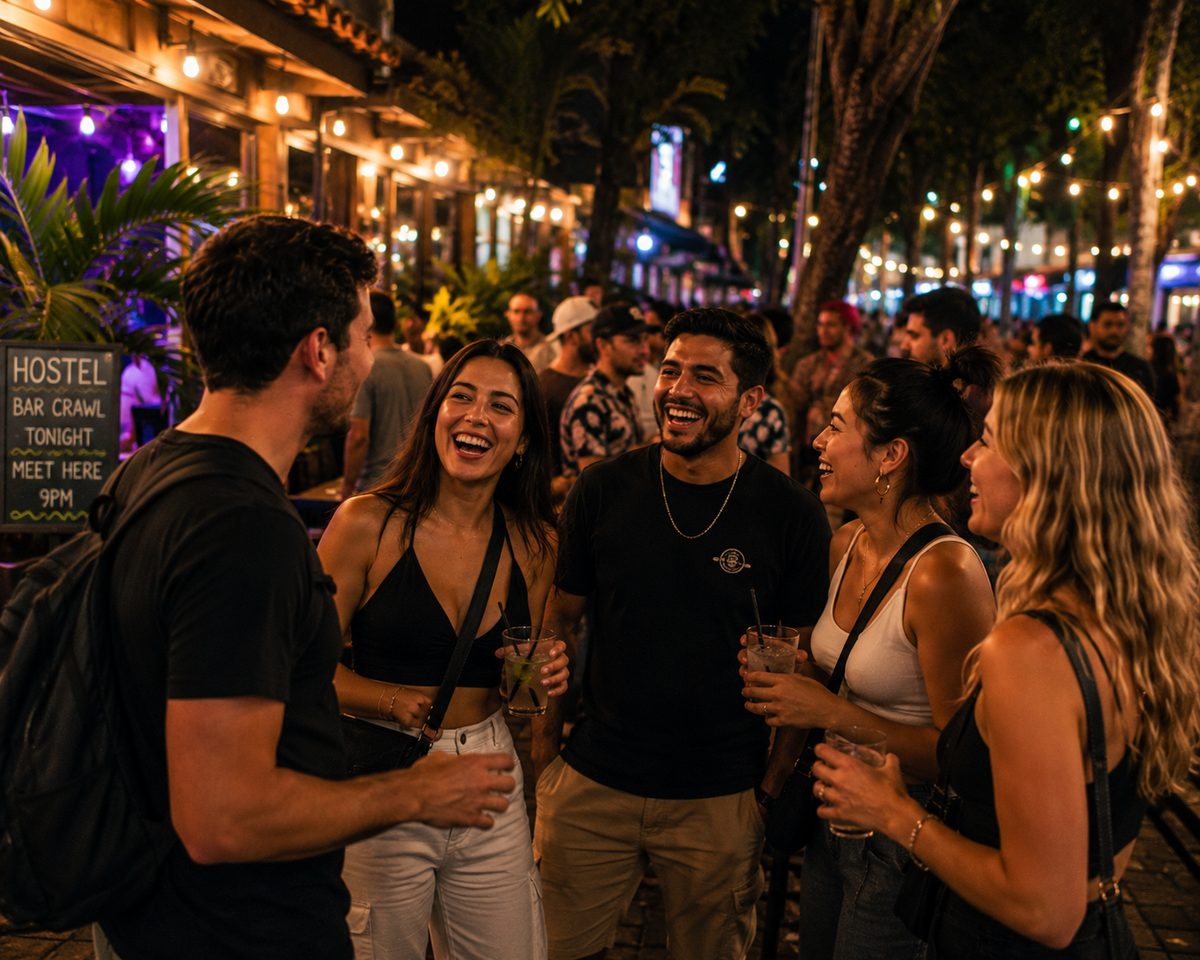
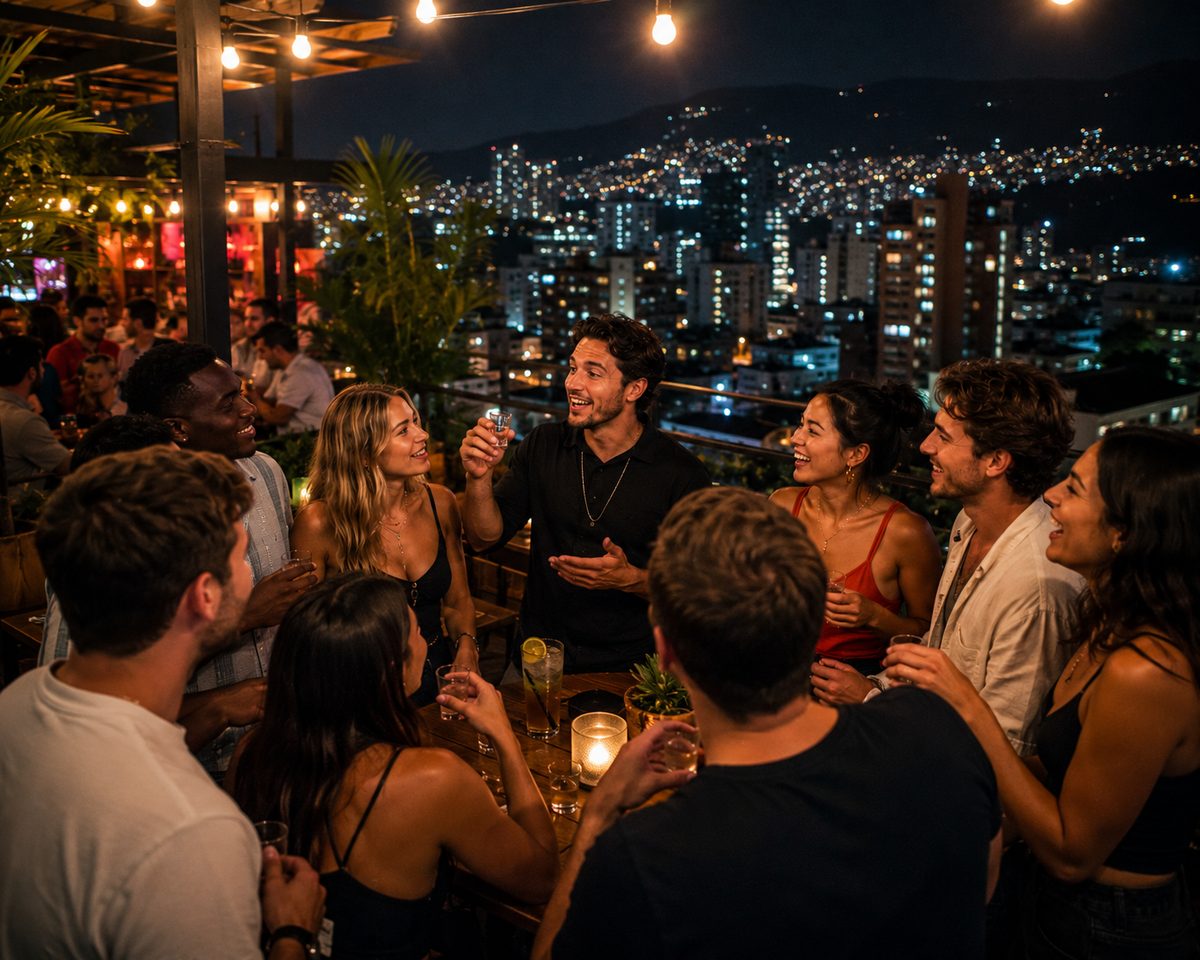
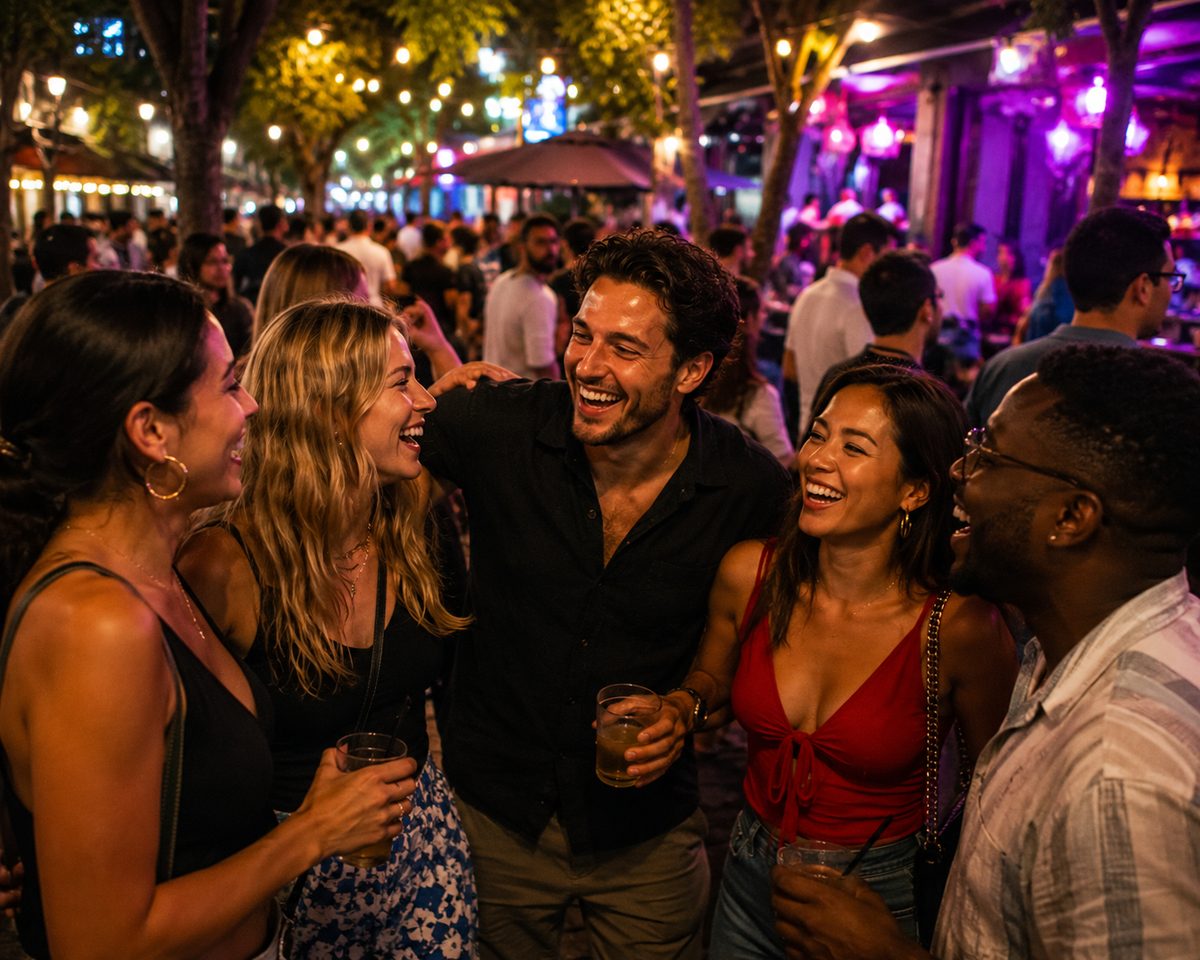
The nightlife here spreads across distinct zones with genuinely different characters. El Poblado and the Provenza area draw a mix of international visitors and locals to open-air bars and rooftop clubs. Laureles has a more neighborhood feel, with a younger paisa crowd and a relaxed energy. Ciudad del Río attracts a creative crowd with a different vibe again. Music moves across reggaeton, salsa, and electronic depending on the night and the venue.
If you want to move through the city's nightlife with local guides who actually grew up here, our nightlife tour is a good place to start.
Paisa Food, Coffee, and Fernando Botero
Medellín's food culture is rooted in the paisa tradition: hearty, unfussy cooking built around beans, rice, chicharrón, ripe plantain, and the bandeja paisa, a plate so generous it functions more like a communal feast than a single serving. You will find it in everything from no-name lunch spots in Laureles to market stalls in the city center.
Coffee is everywhere and genuinely excellent, though the best of Antioquia's production comes from farms in the surrounding mountains rather than the city itself. A short trip into the hills brings you to working fincas where you can see the full process from cherry to cup. Colombia is the only country in South America with both a Caribbean coast and a Pacific coast, and its coffee heritage runs specifically through Antioquia. The region is not just a backdrop for the crop, it shaped how the crop is grown.
Downtown, set aside an hour for Plaza Botero. Fernando Botero, Colombia's most internationally recognized artist, was born in Medellín, and the plaza in front of the Museo de Antioquia holds 23 of his sculptures. His signature style, figures rendered with exaggerated roundness and volume, lands differently at scale and in the city that formed him. It is one of the few places in the world where major public sculpture is freely accessible and genuinely beloved by residents.
Day Trips: Guatapé and the Antioquia Countryside
Medellín's position in Antioquia makes it one of the best bases in South America for day trips. The most iconic is Guatapé, a colorful lakeside town about two hours away. From there, a 700-step climb up the Piedra del Peñol (a massive granite monolith rising above the reservoir) rewards you with one of the most dramatic panoramic views in Colombia. It is genuinely worth your legs.
Antioquia's coffee farms, reachable in an hour or two in the other direction, offer a different kind of day: green valleys, working fincas, and the full arc of how Colombia's most famous agricultural export gets from plant to cup. Either direction, the countryside outside Medellín is worth at least one full day of your trip.
Is Medellín Worth Visiting?
The honest answer is yes, for reasons that compound the longer you stay.
Medellín has a real past, one that involved serious violence and suffering, and the city does not pretend otherwise. But what it built on the other side of that history is what makes it worth visiting now. The Metro and the cable cars. The murals in Comuna 13. The music that shaped a global genre. The 22-degree evenings that keep restaurant terraces full at 10pm in any month of the year. The silleteros carrying towering arrangements of fresh flowers through the streets every August during the Feria de las Flores, continuing a tradition passed down through generations. Plaza Botero at golden hour. The view from the Peñol.
None of those things exist anywhere else in quite this combination.
For deeper dives into specific parts of the city, explore The Medellín Guide: we have detailed guides to the best neighborhoods, safety for travelers, food and coffee, nightlife and rumba, and itineraries for every length of stay. And if you want to experience the city with guides who grew up here, our small-group tours cover food, culture, nightlife, and nature.